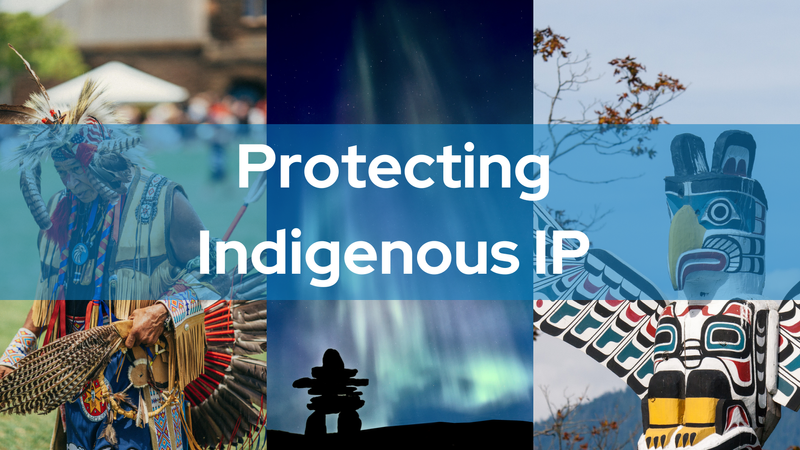
Protecting Indigenous IP Program
Built to bridge Indigenous Knowledge and Canadian IP systems.
Practical tools, legal context, and culturally grounded guidance to help protect Indigenous Knowledge, cultural heritage, and creative works within Canada’s IP landscape.

What you can expect
The Protecting Indigenous Intellectual Property (IP) program equips Indigenous entrepreneurs, creatives, innovators, community leaders, and allies with practical tools to safeguard Indigenous Knowledge, cultural heritage, and creative works within Canada’s IP landscape.
Developed in partnership with Communitech, Indigenous lawyers and IP experts, the program bridges Indigenous Knowledge systems and Canadian IP frameworks through practical tools, legal context, and culturally grounded guidance.
By connecting legal foundations with cultural context and real-world application, the program helps participants understand where Canadian IP systems support Indigenous protection and where challenges remain.
About the course
This self-paced program includes 10 modules, led by Indigenous lawyers and IP experts. Learners will explore Canadian IP law, the history and context of Indigenous IP rights, and the unique barriers Indigenous communities face.
The program covers:
• Indigenous cultural heritage
• Traditional Knowledge (TK)
• Traditional Cultural Expressions (TCEs)
• Commercialization and business application
• Contracts and ownership considerations
• Enforcement and protection strategies
• Real-world case studies
It also looks ahead at emerging developments shaping the future of Indigenous IP.
Expected outcomes
Participants gain the confidence to make informed decisions about ownership, partnerships, and protection strategies that align with community priorities and long-term benefit.
By the end of the program, participants will:
• Understand how Canadian IP systems apply to Indigenous Knowledge and where limitations exist
• Navigate ownership and partnership decisions with greater clarity
• Recognize risks related to misappropriation and how to mitigate them


North Forge, in partnership with Communitech, is a recipient of Federal Government funding under ISED’s ElevateIP program in Ontario, Manitoba, and Saskatchewan.